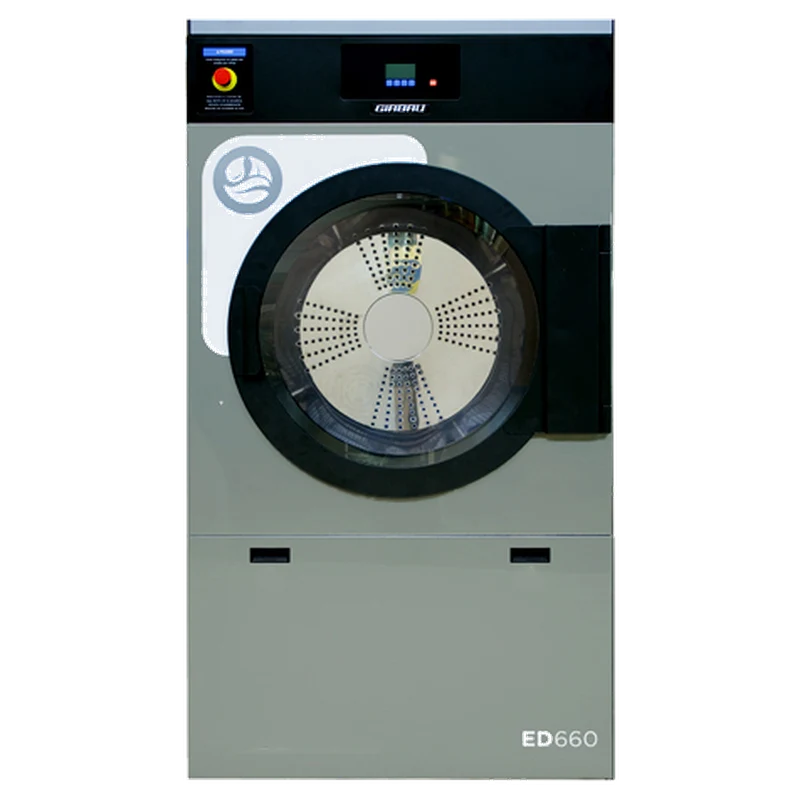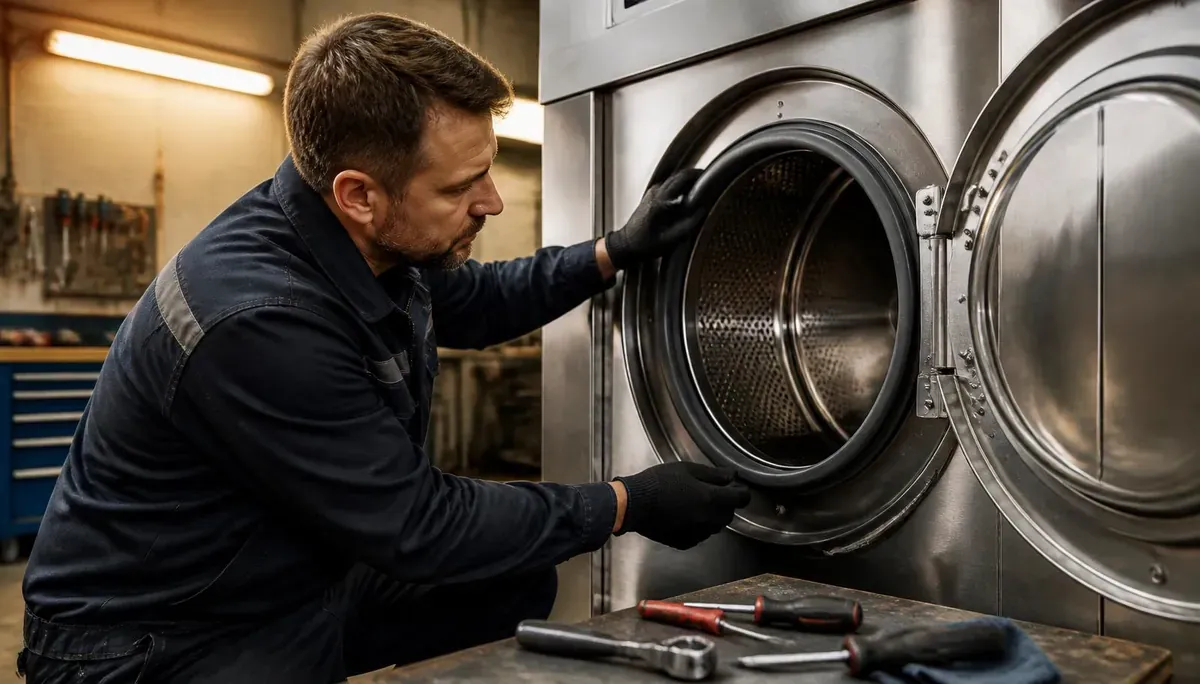
There is real value in the used market. Commercial laundry equipment is engineered for tens of thousands of cycles, so a well-maintained machine sold at five years old can have most of its working life ahead of it. The risk is that condition varies enormously between two machines of the same age, and almost none of that variation is visible in a photograph.
Judge the machine by cycles, not years
Most commercial controls log total cycles, and that number is the single most useful piece of information in the transaction. A five-year-old machine from a hotel running fifteen cycles a day has had a very different life to a five-year-old machine from a small clinic. If nobody can produce the cycle count, treat the machine as an unknown and price it accordingly.
Remaining life of a five-year-old commercial washer by duty
Against a 30,000 cycle design life. The same machine, the same age, three very different assets.
Light duty (3/day): Cycles used 5500 cycles, Cycles remaining 24500 cycles | Medium duty (8/day): Cycles used 14600 cycles, Cycles remaining 15400 cycles | Heavy duty (15/day): Cycles used 27400 cycles, Cycles remaining 2600 cycles
The inspection checklist
Washer extractors
- Run a full cycle and listen through the spin. Bearing noise at high speed is the warning sign that matters most.
- Check the drum for scoring and the perforations for damage from foreign objects.
- Inspect the door seal for perishing, tearing and hardening.
- Look at the frame, welds and mounting points for stress cracks and previous repairs.
- Check the shell and base for corrosion, which is common in damp plant rooms.
- Confirm the inverter, control board and display all function and are not obsolete.
Tumble dryers
- Inspect the burner and gas train, and ask when it was last serviced by a licensed technician.
- Check the full lint path and ducting for baked-on residue, which is both a fire risk and a sign of neglect.
- Examine the drum belt, rollers and bearings at both ends.
- Confirm the airflow and temperature sensors read correctly through a cycle.
Bearings and seals are the classic expensive failure on a washer extractor, and replacing them can approach the value of a cheap used machine. Poor lint management on a dryer tells you how the previous owner ran the whole site, not just that one machine.
Parts availability decides everything
A bargain only stays a bargain while it can be repaired. Before you commit, confirm that spares for that exact model are still held in Australia and that an independent technician can service it. Orphaned models, grey imports and brands with no local support are the most common way a used purchase becomes a very heavy paperweight.
Count the whole cost, not the sticker
Installation costs are identical whether the machine cost five thousand dollars or fifty thousand. Once you add them, the gap between a cheap private sale and a refurbished machine with a warranty narrows sharply.
| Cost | Private sale | Refurbished with warranty | New |
|---|---|---|---|
| Purchase price | Lowest | Middle | Highest |
| Condition certainty | Unknown | Inspected and reconditioned | Full |
| Warranty | None | Typically 3 to 12 months | Full manufacturer term |
| Freight and rigging | Same | Same | Same |
| Connection and commissioning | Same | Same | Often included |
| Risk of early major repair | High | Low | Very low |