
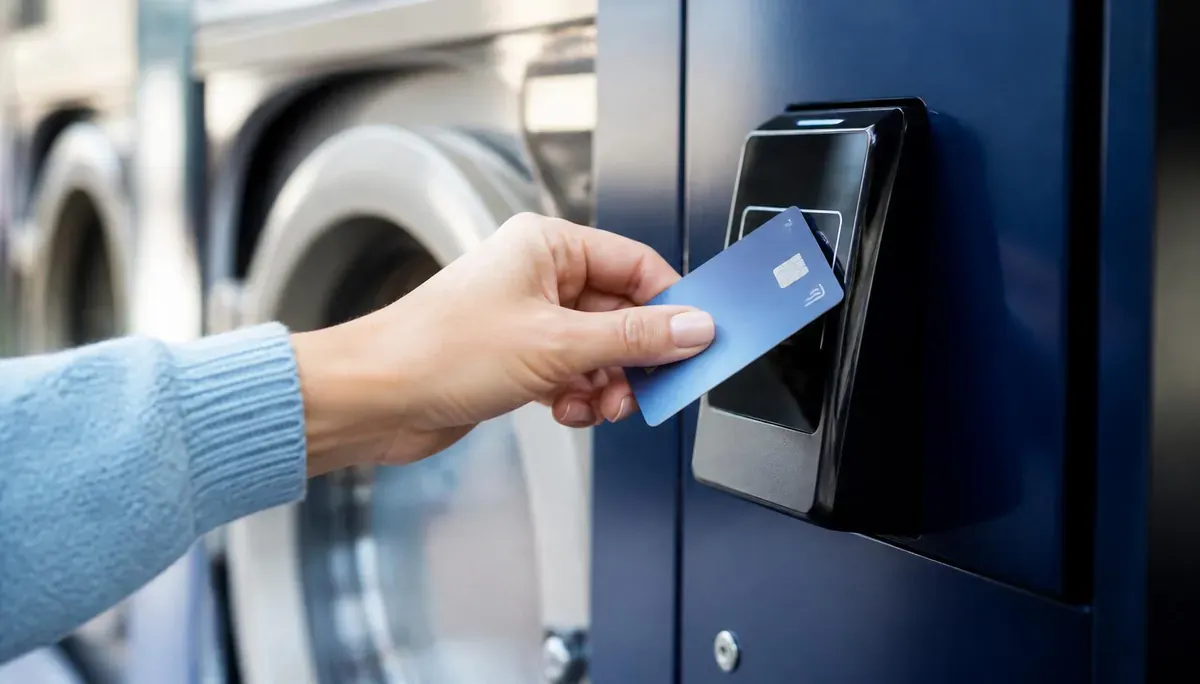
Coin operation still works, and on some sites it remains the right answer. But the question is no longer whether coins can take money. It is what they cost you to keep taking it, and what you give up in pricing flexibility and data by staying with them.
The real cost of coins
Every coin site carries a set of costs that do not appear on an invoice. Someone drives to the store, empties the boxes, counts, banks and reconciles. Coin mechanisms jam and need servicing. Coin boxes attract break-ins, and the repair bill after a forced door is usually larger than the cash taken. On top of that, pricing is stuck in coin increments, which means you cannot make a small adjustment when energy costs move.
Where operator time goes each month, coin versus cashless
Indicative hours per month for a single unattended store. Multi-site operators see the gap multiply.
Collection and banking: Coin operated 8 hrs, Cashless 0 hrs | Counting and reconciling: Coin operated 5 hrs, Cashless 1 hrs | Mech faults and refunds: Coin operated 4 hrs, Cashless 1.5 hrs | Price changes on site: Coin operated 2 hrs, Cashless 0 hrs
What changes when you go cashless
The immediate change customers notice is convenience. They tap a card or start a machine from an app, and they are no longer dependent on carrying coins or on a change machine that works. Australian operators who convert typically report a lift in average spend per visit, largely because upsells such as extra dry time or a hotter wash become a single button rather than another trip across the store.
Typical operator outcomes after converting to cashless
Indicative direction and scale of change reported by Australian sites after conversion. Individual results depend on location, pricing and marketing.
Average spend per visit: 14% | Extra dry time purchased: 22% | Cash handling hours: -95% | Vandalism and theft incidents: -70%
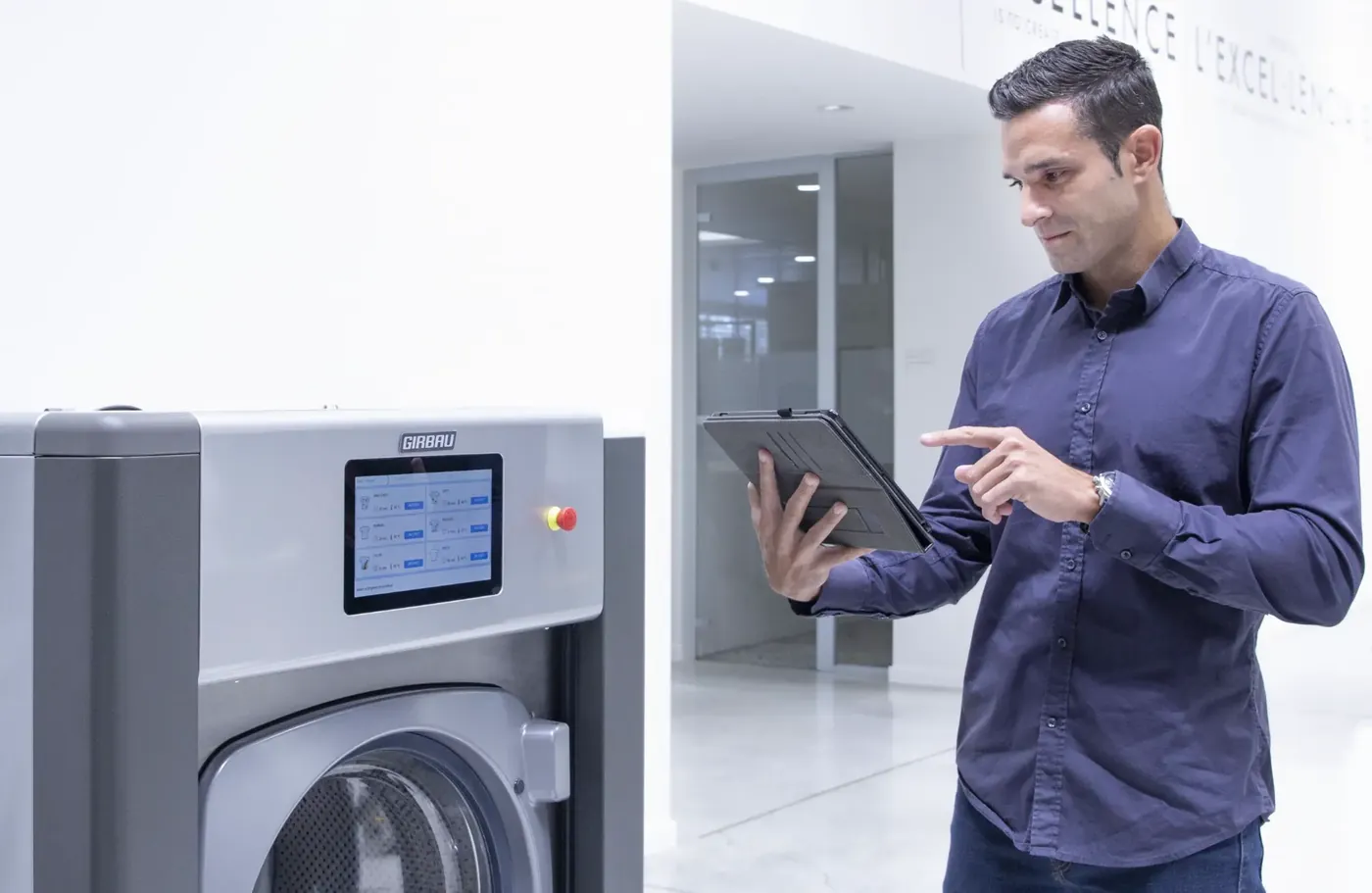
The larger commercial gain is pricing control. With a connected platform you can price by machine size, by time of day and by day of week, run an off-peak promotion to flatten your peaks, and adjust when gas or electricity contracts change. Coin pricing, by contrast, is a service call and a sticker every time.
Comparing the three options
| Coin | Card reader | App and card | |
|---|---|---|---|
| Cash handling | High | None | None |
| Pricing flexibility | Coin increments only | Any amount, set on site | Any amount, set remotely |
| Remote price changes | No | Limited | Yes |
| Machine-level reporting | No | Basic | Full |
| Promotions and loyalty | No | No | Yes |
| Theft and vandalism risk | High | Low | Low |
| Best suited to | Cash-preferring catchments | Simple sites, staffed venues | Unattended and multi-site |
Running a hybrid site
The usual objection to cashless is customer resistance, and it deserves to be taken seriously in some locations. Stores serving older demographics, tourists, or communities that prefer cash often do best on a hybrid: cashless as the primary path with a coin or card-vend option retained. In practice the transition is smoother than most operators expect when three things are true.
- Signage explains the payment options in plain language at the door and on each machine.
- Starting a machine does not require downloading an app, because tap-to-pay is available at the machine.
- Staff or a support number are reachable for the first few weeks while regulars adjust.
Specify payment with the machines, not after
Retrofitting a payment system to an installed fleet is possible, but it is almost always more expensive and less tidy than factory-fitted hardware, and it can limit which platform features you can actually use. Decide on your payment approach at the same time you decide on machines, so the controls, wiring and connectivity are specified together.